Making access to education a practical development priority
Education is one of the most important instruments for expanding economic opportunity and improving household wellbeing. The proposed education agenda seeks to address the financial, infrastructural and skills-related barriers that affect students across Lang'ata.
Intended outcomes
improved transparency in bursary administration, better-supported learning institutions, expanded access to practical skills and improved pathways from education into employment.
Proposed actions (5)
- Establish a transparent and equitable bursary programme with published eligibility criteria, transparent assessment based on financial need, fair consideration of applicants from all five wards, accessible information on application periods, decisions and appeals, anonymised bursary allocation statistics and regular reporting on available bursary resources.
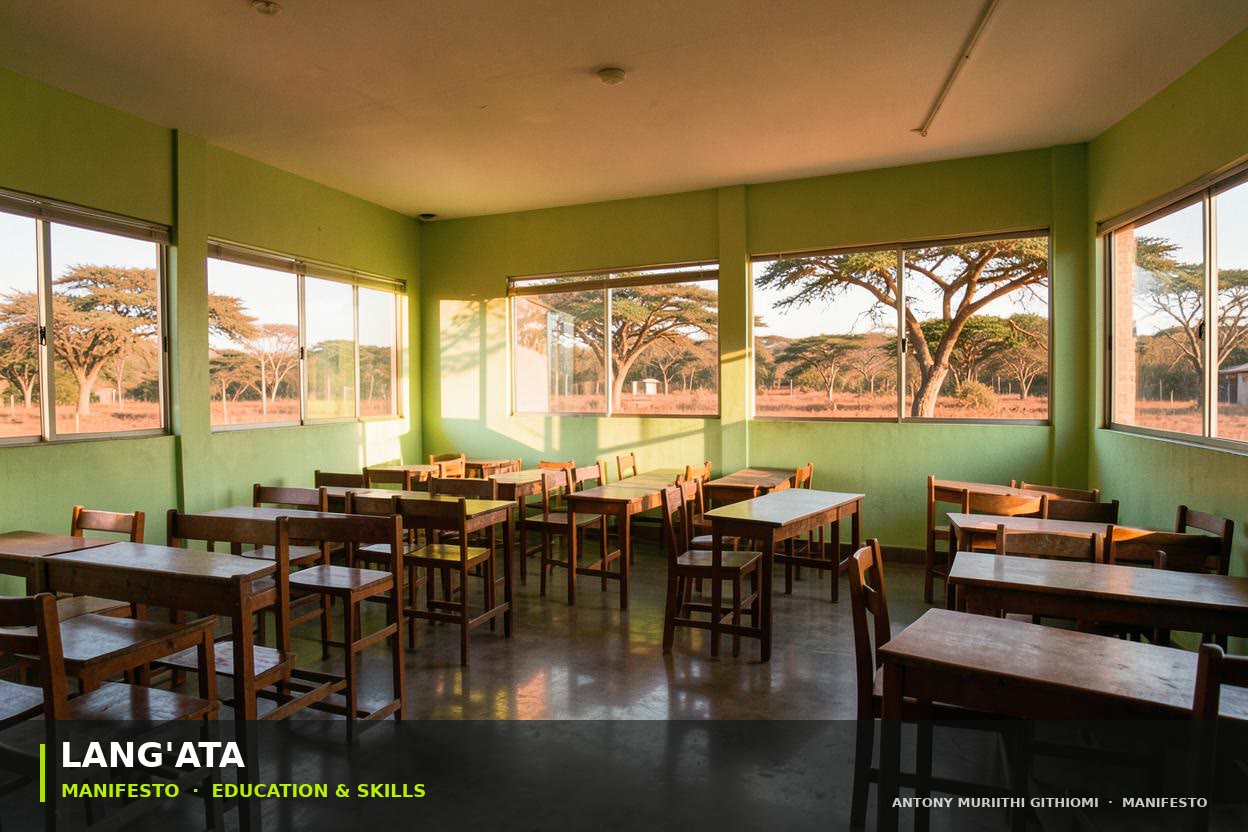
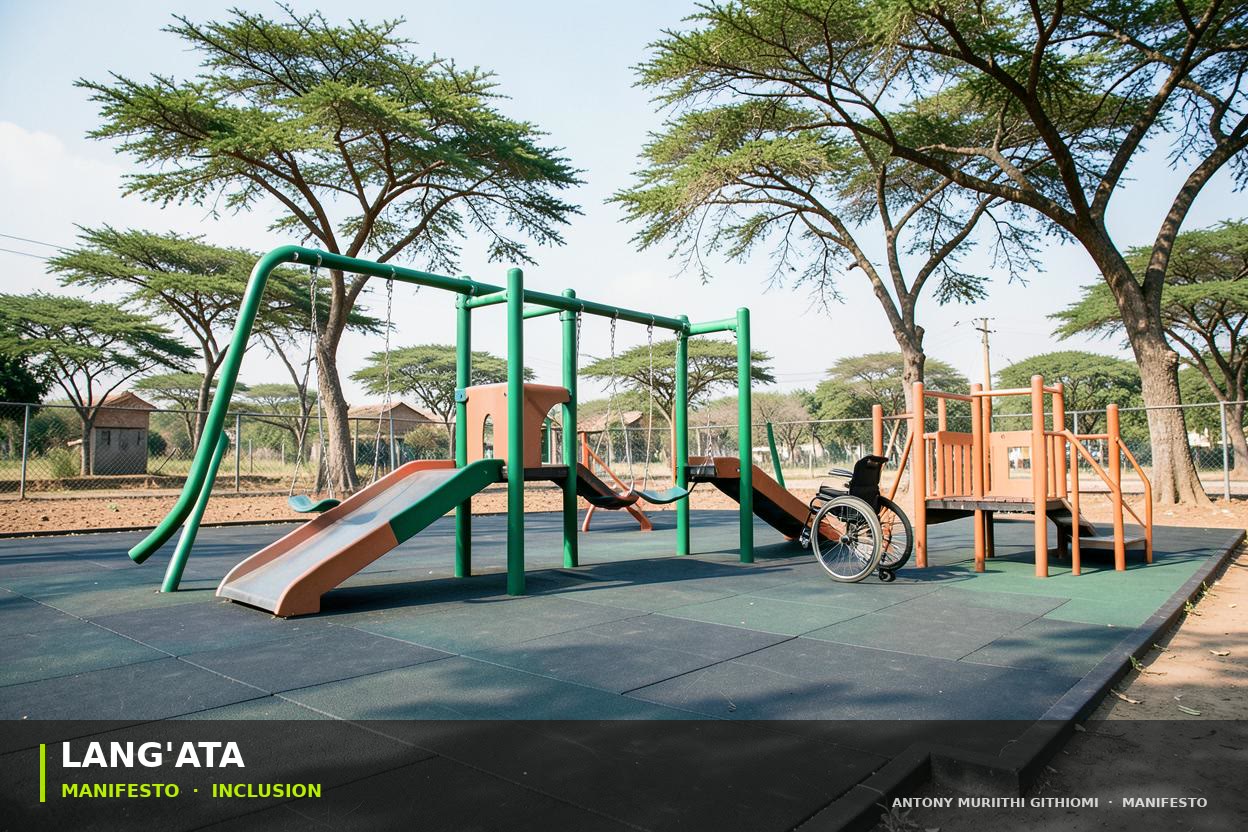
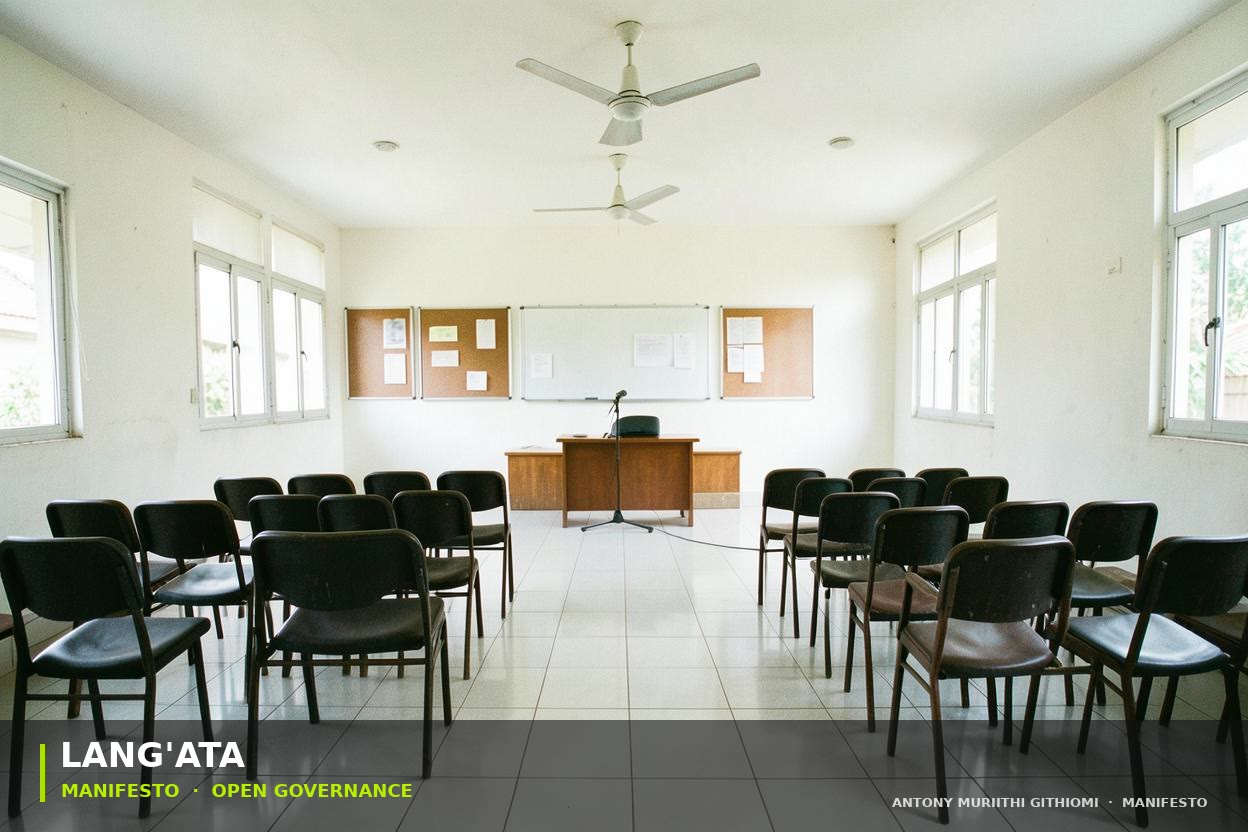
- Support eligible public-school infrastructure through NG-CDF, including classrooms, science and technology laboratories, accessible sanitation, safe school environments, improved facilities for students with disabilities and appropriate digital learning infrastructure, prioritised through consultation with schools, parents and education authorities.
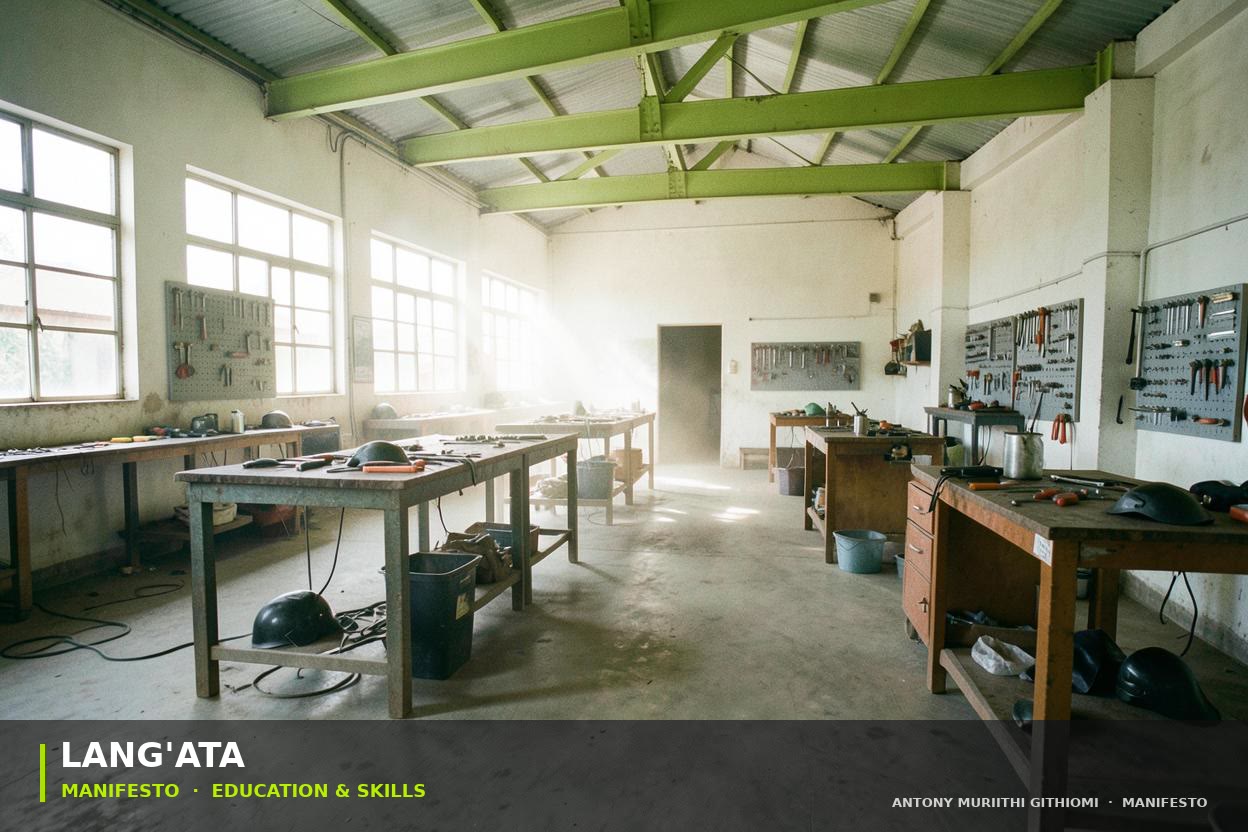
- Strengthen technical and vocational education through advocacy for adequate funding and equipment, partnerships with accredited TVET institutions, industry-linked skills training, practical training in electrical installation, construction, mechanics, ICT, hospitality and other occupations, and internship and apprenticeship partnerships with private-sector organisations.
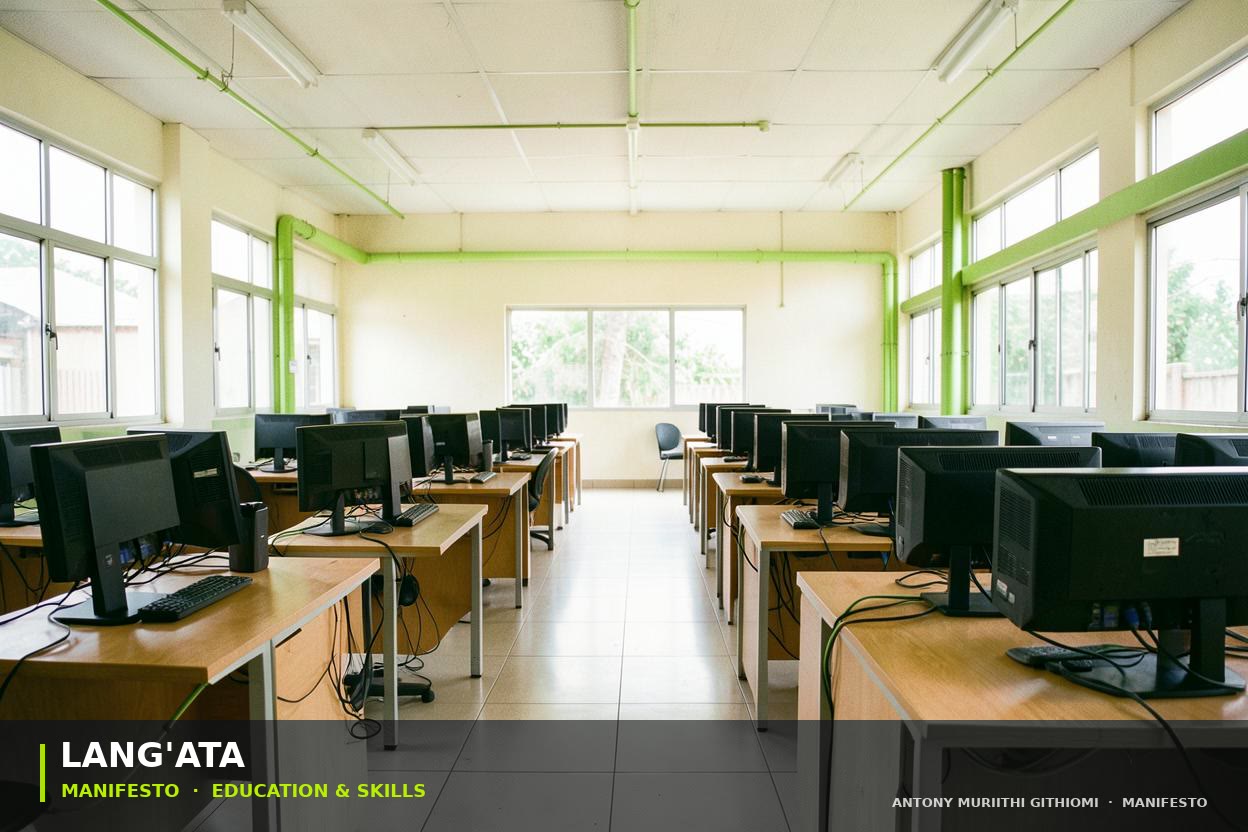
- Support digital skills and modern learning, including digital literacy, programming, computer applications, artificial intelligence awareness and other emerging technology skills, through partnerships with technology companies, universities, training institutions and professional organisations.
- Address education transition and completion by working with education stakeholders to identify barriers preventing learners from progressing from primary to secondary education, technical training and higher education, with particular attention to vulnerable students and learners requiring specialised educational support.